Visit our Facebook Page and get more updated information:
http://facebook.com/storiesofwomencampaign
TOP STORY
MGA PUNA sa Panukalang PCAFD Act: Palalakasin ba Nito ang Sustainability at Partisipasyon ng CSO?
18 February 2026
Halaga nito–
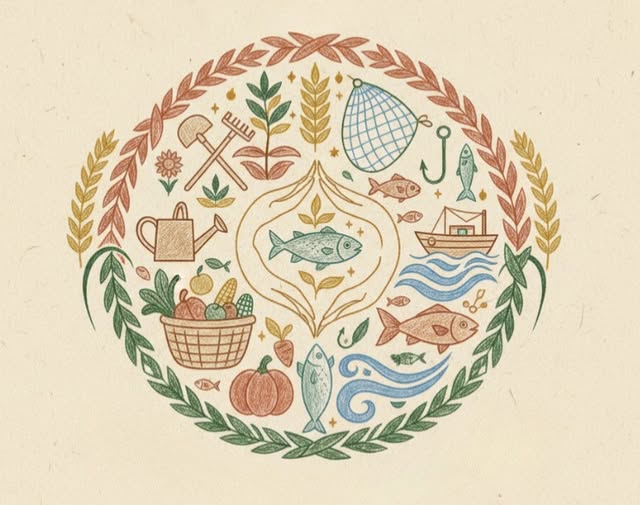
Ang agrikultura at pangisdaan ay haligi ng maraming komunidad sa Pilipinas. Ngunit patuloy na lumalala ang mga problema ng mga magsasaka at mangingisda: pagbabago ng klima, labis na pangingisda, pagkasira ng lupa, sobrang pagdepende sa kemikal, at mahihinang suporta mula sa pamahalaan. Mahalaga ang papel ng mga civil society organizations (CSOs) upang matiyak na ang pamamahala ay tumutugon sa mga hamong ito. Ang PCAFD Act of 2025 ay bagong panukala upang muling ayusin ang mga konseho at palakasin ang partisipasyon. Ngunit sapat ba ito?
Mabubuting Hakbang ng Panukala —
– Kinikilala ang mga Stakeholder – Binibigyang-diin ang papel ng CSOs, magsasaka, mangingisda, at komunidad.
– Sumusuporta sa Kabuhayan– Nagpo-promote ng product development, branding, at entrepreneurship.
– Tumutugon sa Climate Resilience – May kasamang disaster risk reduction (DRR) at adaptation training.
– Nagbibigay ng Pagsasanay– Leadership, business management, at sustainable practices ay bahagi ng plano.
– Nagpapalakas ng Sustainability– Binabanggit ang organic farming, food preservation, at recycling.
Mga Kakulangan ng Panukala —
– Mahina ang Partisipasyon ng CSO – Binanggit ang CSOs ngunit walang garantiya ng puwesto o karapatang bumoto. Nagiging tokenistic ang partisipasyon.
– Limitado ang Enforcement– Naayos ang mga konseho ngunit kulang ang aksyon laban sa illegal fishing, mapanirang pagsasaka, at proteksyon ng ekosistema.
– Nakakaligtaan ang Biodiversity – Nakatutok sa productivity, kulang ang diin sa watershed at marine conservation.
– Walang Mekanismo ng Accountability – Walang malinaw na sistema para sa transparency, budget reporting, o grievance mechanisms.
– Panganib ng Elite Capture– Kung walang tiyak na representasyon ng kababaihan, katutubo, at marginalized na mangingisda, maaaring dominahin ng makapangyarihang grupo ang pamamahala.
Dapat Baguhin
1. Siguraduhin ang Puwesto ng CSOs na may Voting Power sa mga konseho at board.
2. Palakasin ang Enforcement laban sa hindi napapanatiling gawain.
3. Isama ang Biodiversity Safeguards sa mga istruktura ng pamamahala.
4. Tiyakin ang Transparency at Accountability sa pamamagitan ng reporting at grievance mechanisms.
5. Isigurado ang Inclusive Representation ng kababaihan, katutubo, at marginalized na mangingisda.
Panawagan —-
Ang Panukalang PCAFD Act ay isang hakbang pasulong ngunit hindi pa ganap na makapagbabago. Kinikilala nito ang mga stakeholder at pinapalakas ang resilience, ngunit kung walang mas matibay na enforcement, proteksyon sa biodiversity, at tunay na kapangyarihan ng CSOs, maaari lamang itong maging dagdag na burukratikong reporma. Para sa tunay na sustainability, kailangang bigyan ng kapangyarihan ang CSOs bilang MGA TAGAPASIYA, hindi lamang bilang mga consultant.
***********************
Land Rights Beyond the Title: Feminist Digital Mapping for Legal Empowerment
Bukidnon, Philippines — January 28, 2026
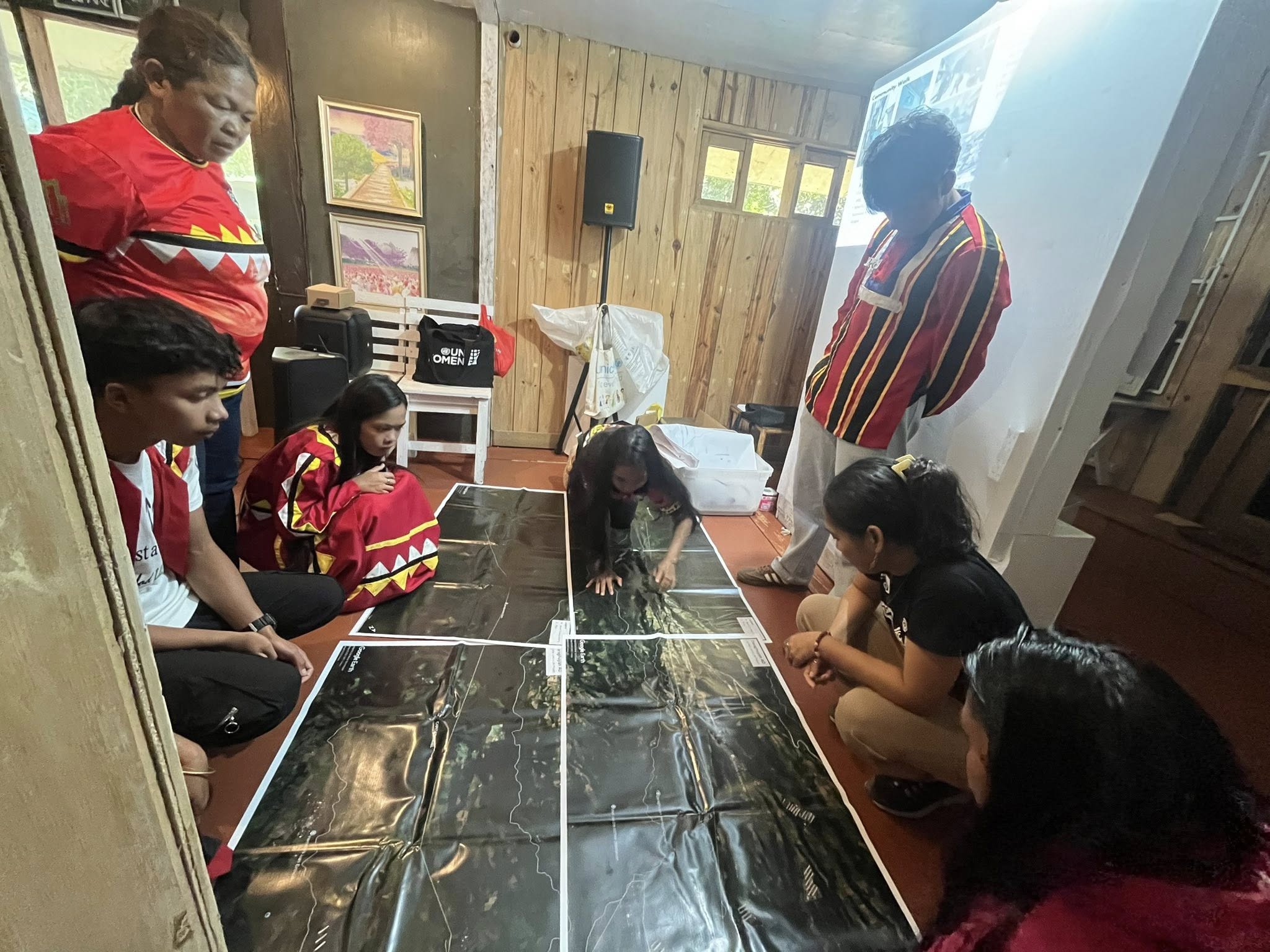
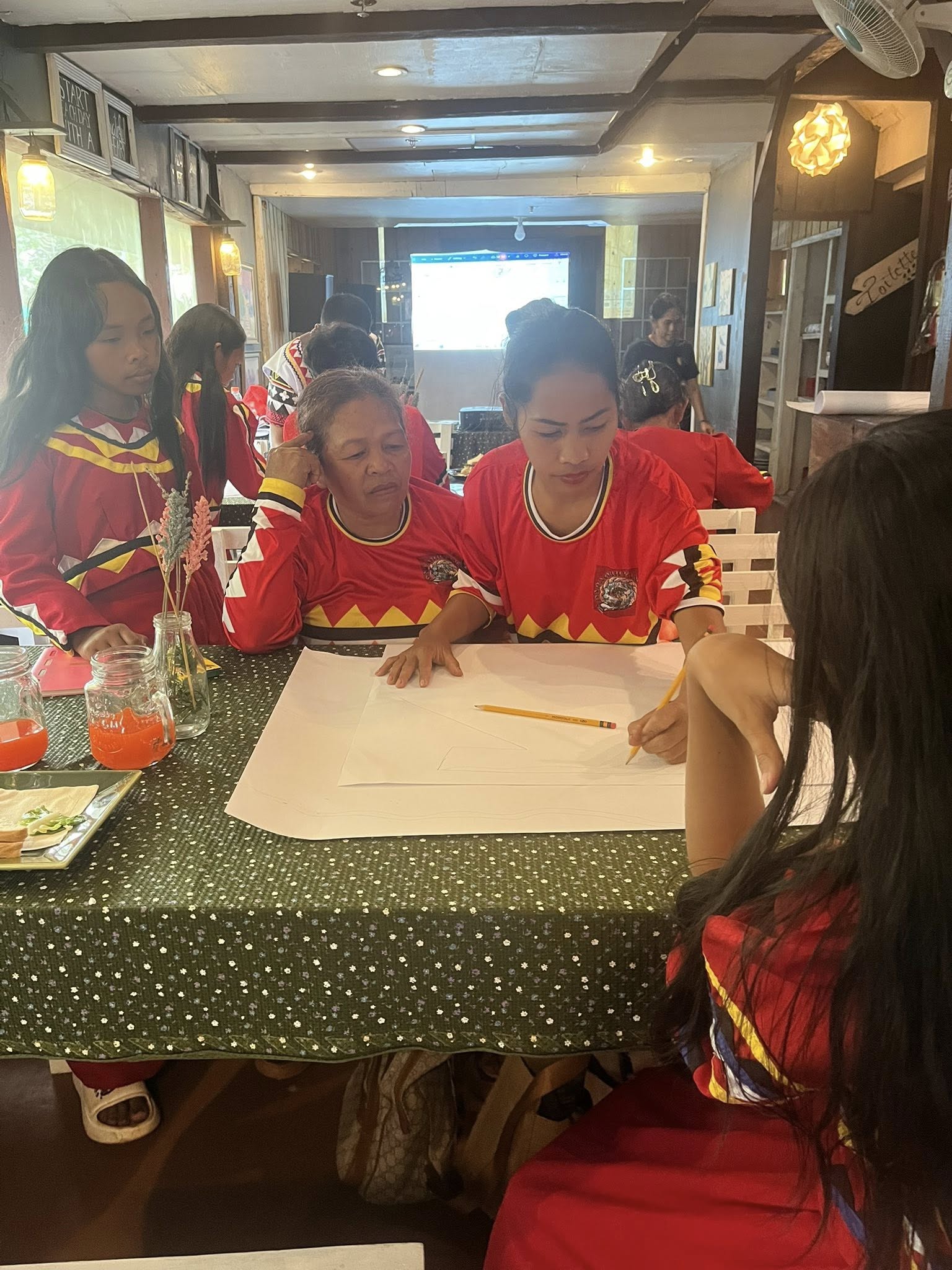
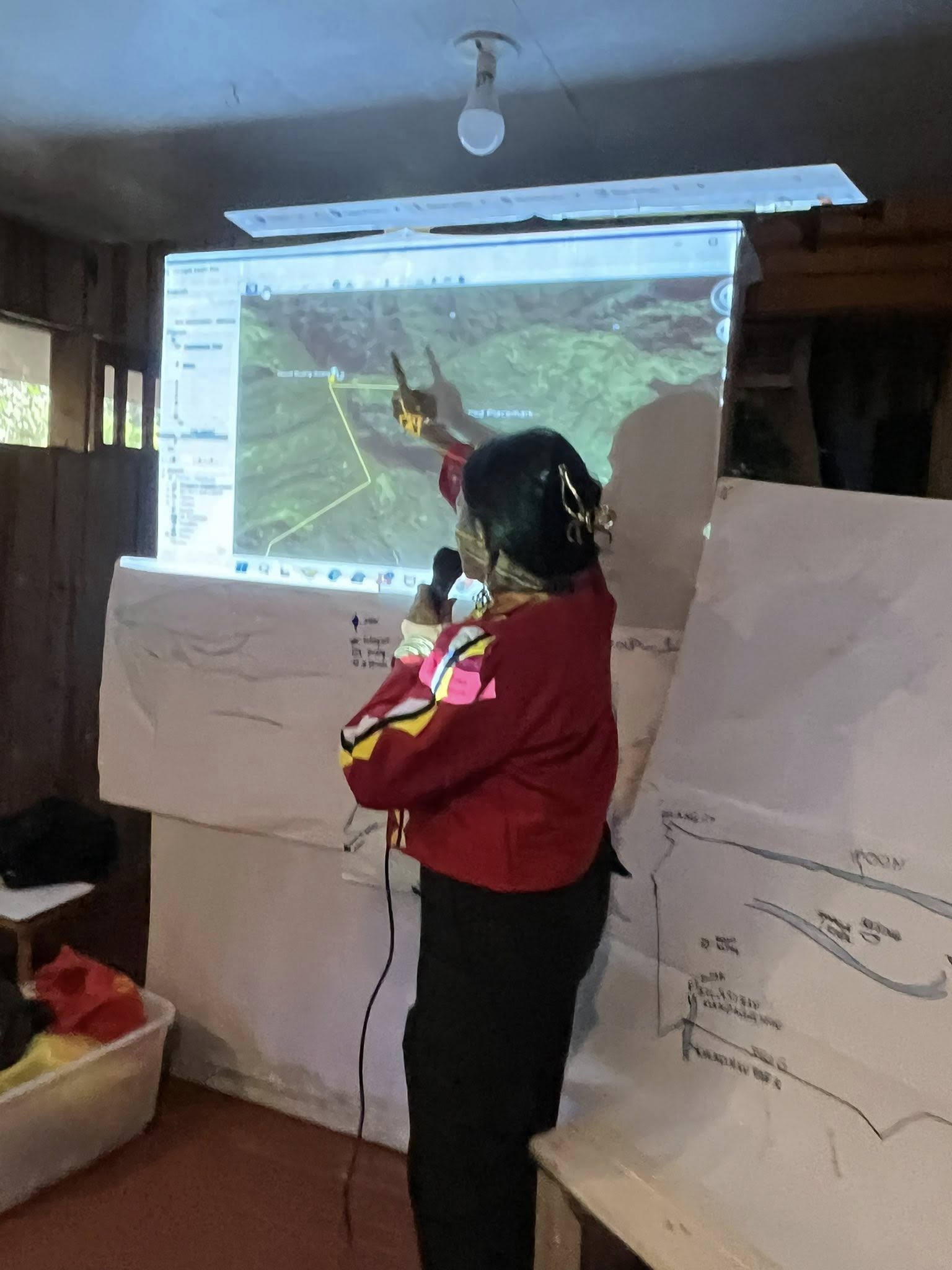
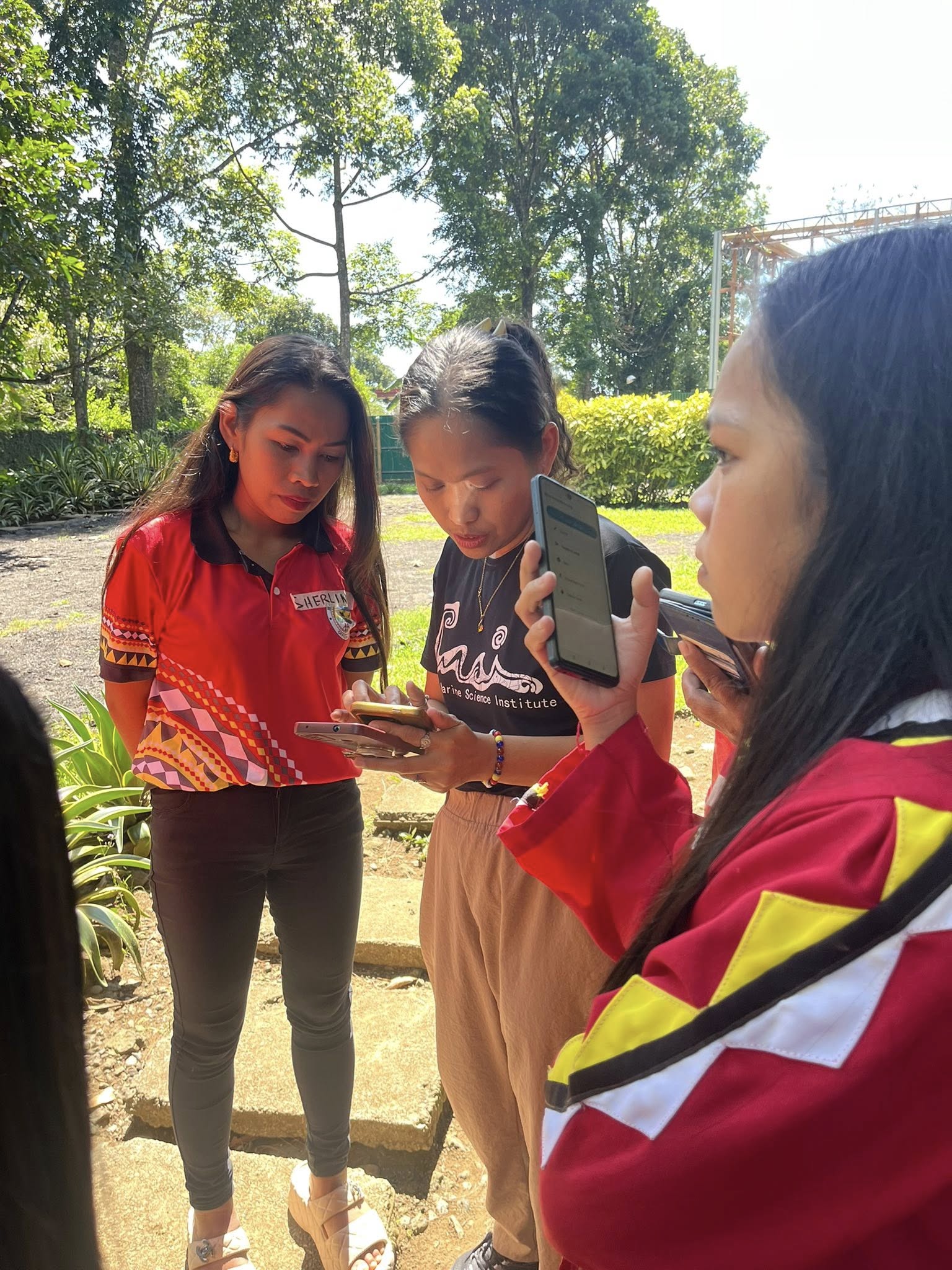
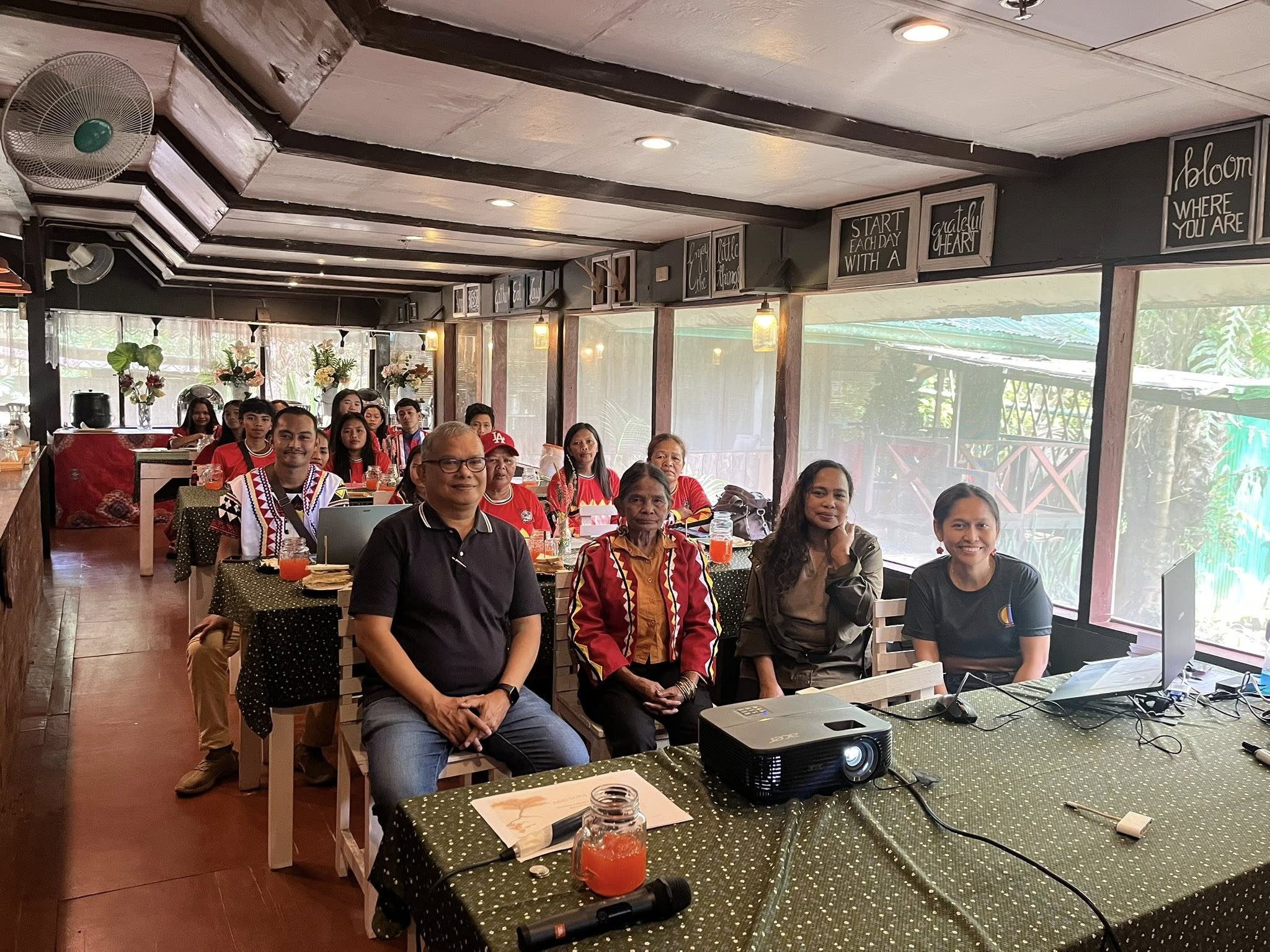
High in the Mt. Kitanglad Range Natural Park, a recognized ASEAN Biodiversity site, elders and youth of the Daraghuyan Ancestral Domain gathered for a workshop that fused indigenous wisdom with digital innovation. On January 17–18, 2026, Lalang Hu Mga Laga (Lalang) facilitated a Digital Mapping Workshop that is being hailed as a landmark achievement for the Philippines—timely, as the country serves as ASEAN Chair for 2026.
Mapping Stories, Not Just Boundaries
The project aims to demarcate and storify ancestral lands, drawing from community knowledge, long and recent histories, and lived experiences. Its major output is a digital dashboard, accessible online primarily for partner communities, with the possibility of a public version. This dashboard will feature visual and aural stories—monuments, natural features, and women’s narratives—transforming maps into living archives.
For indigenous communities still pursuing ancestral domain claims, Daraghuyan’s experience will serve as a model of participatory digital mapping. At its core, the project invests in indigenous women’s leadership and strengthens the capacity of indigenous youth, ensuring that both tradition and innovation are carried forward.
Situated within Mt. Kitanglad, Daraghuyan’s ancestral domain is not only a cultural treasure but also part of a globally recognized biodiversity hotspot. This makes the project doubly significant: it protects indigenous heritage while contributing to ASEAN’s regional biodiversity agenda—an achievement the Philippines can proudly showcase during its ASEAN Chairmanship.
Tools for Empowerment
Fifteen participants learned to use Kobo Toolbox, ODK, and Google Earth—digital tools that will feed into the enriched ancestral domain map. These skills are more than technical; they are instruments of empowerment. By documenting their land and stories, the community strengthens its defense against development aggression and asserts its right to self-determination.
Feminist Organizing at the Core
Lalang’s role was not limited to teaching software. As a feminist facilitator, the organization held preparatory dialogues and earlier workshops on legal empowerment, ensuring that the mapping process was rooted in resistance, protection of natural resources, and collective agency. This continuity underscores Lalang’s commitment to sustaining legal empowerment initiatives throughout 2026, with plans to replicate the model in other ancestral domains.
Gratitude and Advocacy
The organization expressed deep gratitude to Women’s Fund Asia, the Legal Empowerment Fund, and the Fund for Global Human Rights for their support. Lalang highlighted the importance of backing small, community-rooted organizations often overlooked by funders who demand large operating costs and rigid development paths.
“Although we are a small organization in terms of spending, we make impact where it matters because we are the primary stakeholders and drivers of positive change in our communities,” Lalang’s Director Carol Dawonlay stated.
INDIGENOUS FEMINISM | Polygyny and Child Marriage as Forms of VAW: Indigenous Women Leaders Conduct Dialogues
01 October 2025 | Bukidnon
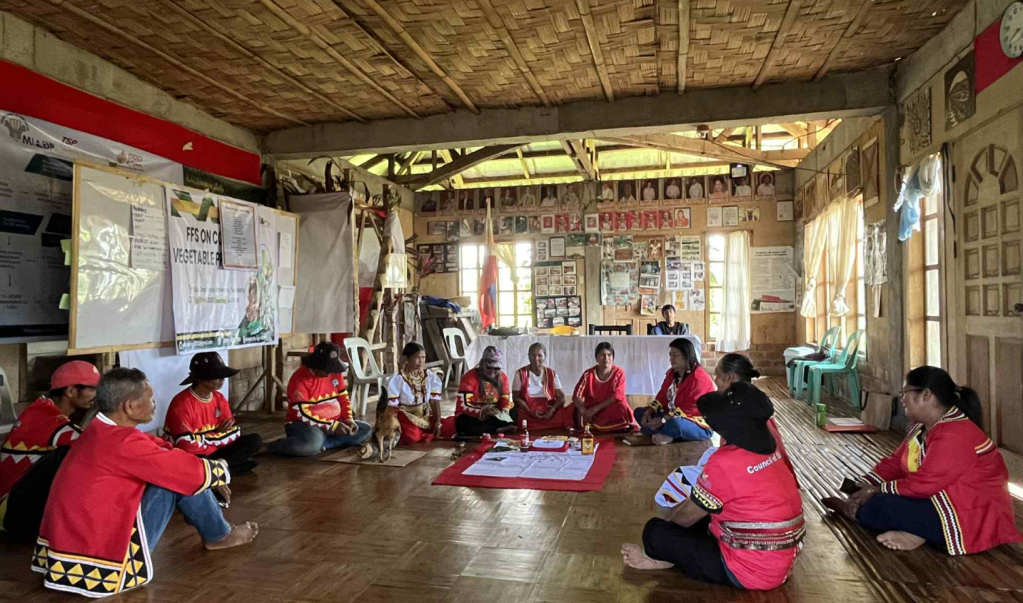
“Contrary to what non-indigenous people believe, our tribe has put an end to the practices of polygyny and child marriage. We also encourage other indigenous peoples’ groups that have not yet stopped these practices to do the same,” declared Bae Inatlawan (Enlightened One), Adelina Docenos Tarino, Chieftain of the Daraghuyan Ancestral Domain, Bukidnon Tribe.
In time with the celebration of October as Indigenous Peoples’ Month, and with the intent of transforming indigenous laws from within, Bae Inatlawan gathered leaders of the Bukidnon and Higaonon tribes in Daraghuyan Ancestral Domain for a two-day series of dialogues on marriage-related concerns and problems experienced by indigenous women. [READ MORE]
Other news
Continuing to Strengthen Feminist Movements
Thanks to Women’s Fund Asia, Lalang Hu Mga Laga will be able to continue with its Feminist Learning Sessions and push through with Community Dialogues on Marriage Concerns with an Indigenous Feminist lens within indigenous communities. The photo below shows the community dialogue with a focus on the role of men and boys in ending early marriages and pregnancies in upland Higaonon community in iligan City.

JULY 2025 | Indigenous and Digital
Anticipating a more grounded approach to feminist organizing with Indigenous Knowledge Systems along with new skills in Digital Mapping, Conservation, and Climate Action [read more]
JUNE 2025 | Inner Borderland at AAS-in-Asia
A study on feminist micro organizing via the lens of decolonizing resilience was presented at the Association for Asian Studies -in-Asia Conference in Kathmandu, Nepal. Supported by the Henri Luce Foundation, Swedish Government (SIDA), and AAS Special Projects. [read more]
MAY 2025 | Women, Peace and Security Training
Lalang Hu Mga Laga Local Area Coordinator Merry D. Sanico participates in #UNWomen #wphf #WPS #UNSCR1325 Training on Conflict-Sensitive and Peace-Promoting Approaches. [read more]
APRIL 2025 | Legal Empowerment Fund
The Legal Empowerment Fund continues to fund Lalang Hu Mga Laga in building strength through knowledge and skills in pushing for mainstream government and indigenous governance accountabilities on climate justice , environmental rights and protection, and food safety and security with a Feminist lens, and gender equality and justice, and women’s rights.
Strategizing Workshop for 2024-2025
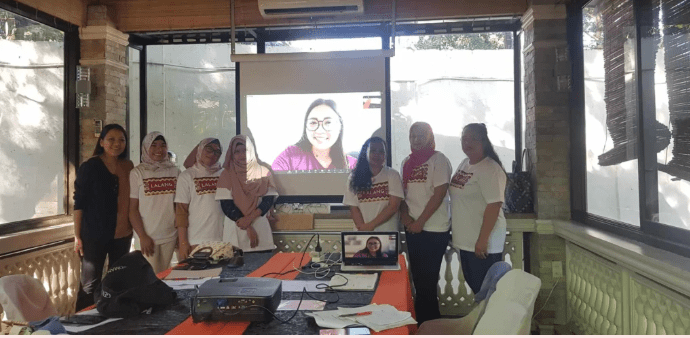
These photos show the strategizing workshop of young women, women’s legal rights activists, and social and health workers on holding community conversations on ending child marriage practice and gender-based violence from a culture- and context-sensitive approach with a Feminist lens.

Research
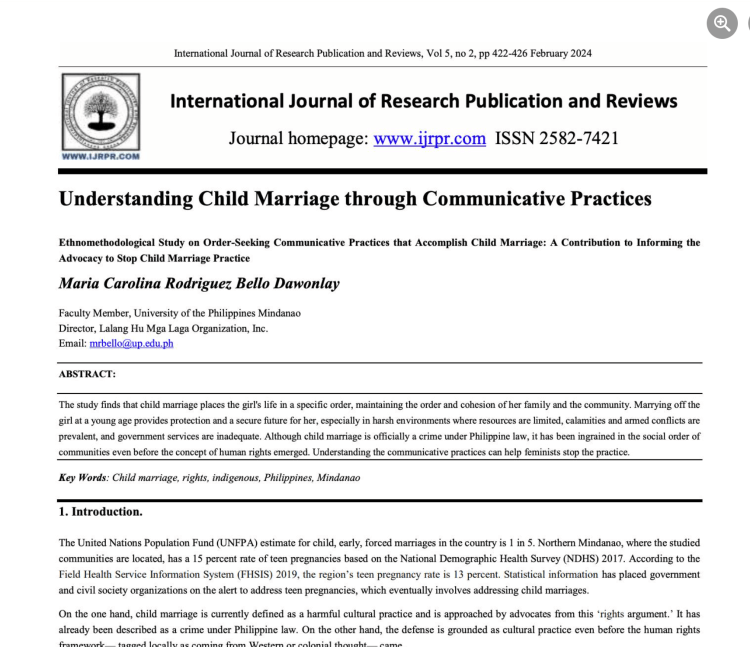
February 2024| Communicative practices that sustain child marriage
We published a study on communicative practices that accomplish child marriages. This hopes to contribute to understanding child marriages better so we can be more effective in eliminating it as harmful cultural practice.
January 2024| Lalang sa Pananaliksik sa Bangsamoro
(Lalang Research in the Bangsamoro)
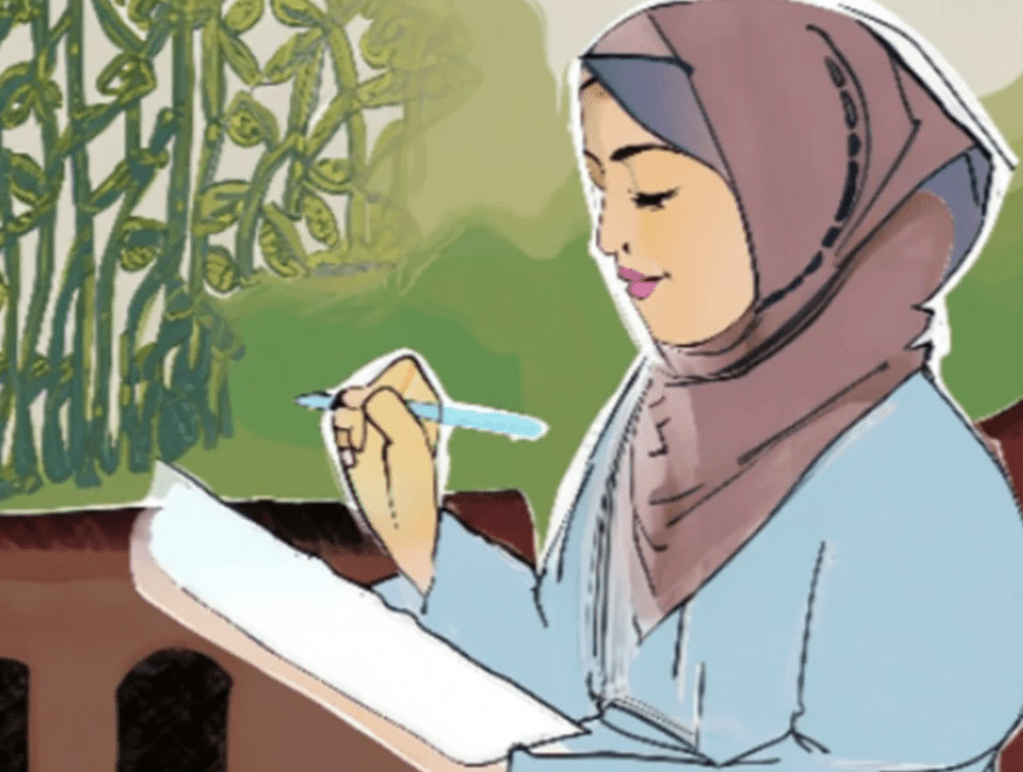
We completed the Ideation Impact Challenge-Bangsamoro Youth Commission (IIC-BYC) research grant as a contribution to “Young Moro Women Defining Their Rights.” [read more]
December 2023 | Water crisis worsens for Lalang members during EL Niño

The effects of El Nino have caused a serious water crisis for members of the Lalang Hu Mga Laga. They live in areas where there is not enough clean water available. For people from upland areas in Northern Mindanao and island communities in Tawi-Tawi province, having access to safe drinking water has become very hard. [read more]
December 2023 | 75 taon na ang Universal Declaration of Human Rights subalit magpahanggang ngayon, marami pa rin ang hindi nakauunawa.

“BAWAL TOMBOY DITO. Kung babae ka, dapat maging babae ka. Kung lalaki ka, lalaki ka.” Ito ang kanilang palaging naririnig sa mga ina-aplayang trabaho.
Kaya karamihan sa mga tomboy na lumaki sa mahihirap na pamilya, mahirap ma-hire. Tomboy ang turing nila Lance, Aaron at Briggs sa sarili, kaya ito ang itatawag sa kanila sa post na ito. [read more]
 Lalang Hu Mga Laga -Stories of Women